Training for Working with Japanese Colleagues
For European teams already working with Japanese colleagues, partners, or customers. Resolves the friction patterns that show up after the first few months: indirect refusal, slow decisions, silence in meetings, deals that almost close. Delivered by Takashi Kawatani (Diversity Management Institute, 35+ years).
Teams trained by Kawatani-sensei across 35+ years include








Silkdrive is the preferred European delivery partner of Diversity Management Institute (Tokyo). Takashi Kawatani-sensei leads the Japan-side curriculum and trains directly; Silkdrive scopes engagements, contributes European-side context, and runs delivery. Co-delivery in Europe began in 2023. More on the partnership →
Four things European teams hit when working with Japanese colleagues
Each one is a specific communication or process pattern, not a personality issue. Training covers what is happening and what to do about it.
The deal looks like it is moving and then it stalls
Symptom
Your Japanese counterpart is polite, attentive, says "we will consider it carefully", and then nothing happens for weeks. Follow-up emails get warm but non-committal replies.
What is actually happening
Tatemae is doing what it is supposed to do: preserve harmony in the room. The real position (honne) is being worked out in nemawashi and ringi behind the scenes. Pushing harder usually makes the cycle slip further. Training covers how to read the signals and how to support the internal process rather than fight it.
You ask for direct feedback and get vague answers
Symptom
You want to know whether the proposal works. Your Japanese counterpart says "it might be difficult" or "we will study it" or simply does not respond to that question. You cannot tell if they are stalling or saying no.
What is actually happening
Direct "no" is rare in Japanese business communication; the rejection is encoded in language that European ears miss. Training covers the specific phrases that mean no, the ones that mean maybe-yes, and the ones that mean genuinely-yes-but-needs-more-time.
Decisions feel impossibly slow
Symptom
A decision that would take two weeks at home is taking three months. The deal sponsor on the Japanese side is enthusiastic but cannot give you a date.
What is actually happening
Japanese decisions are made before the meeting, not in it. Nemawashi (informal pre-meeting consultation) and ringi (formal document circulation) take weeks. The cycle does accelerate, but only when the upstream work is done correctly. Training covers what to provide, when, and how to support the originator.
Your emails get longer responses than your meetings
Symptom
In meetings the room is quiet; in email you get detailed, structured replies. You feel like you understand the team better through writing than through face-to-face conversation.
What is actually happening
Japanese business communication often runs deeper in writing than in real-time conversation, especially with non-Japanese counterparts. Training covers how to use that pattern: which decisions to handle by email, which by meeting, when to follow up a meeting with a written summary the Japanese side can route internally.
Which programmes fit teams already working with Japan
Most teams start with Team Communication with Japan because it is the most directly applicable. Layer on the others as the engagement deepens or specific roles need more.
Team Communication with Japan
Daily collaboration, meeting culture, HoRenSo, Sodan, written communication across time zones. The most directly applicable programme for teams already working with Japanese colleagues.
Japanese Business Culture
Foundational programme on communication, recognition, trust building, and negotiation principles. Half-day, full-day, or multi-session.
Japan Negotiation Training
Japanese negotiation principles, BaMaWa, honne and tatemae, hierarchy, silence, and consensus building. For deal leads and account managers.
Japan Executive Coaching (1:1)
Confidential coaching for senior leaders facing a specific Japanese counterpart relationship, a stalled account, or a difficult restructuring.
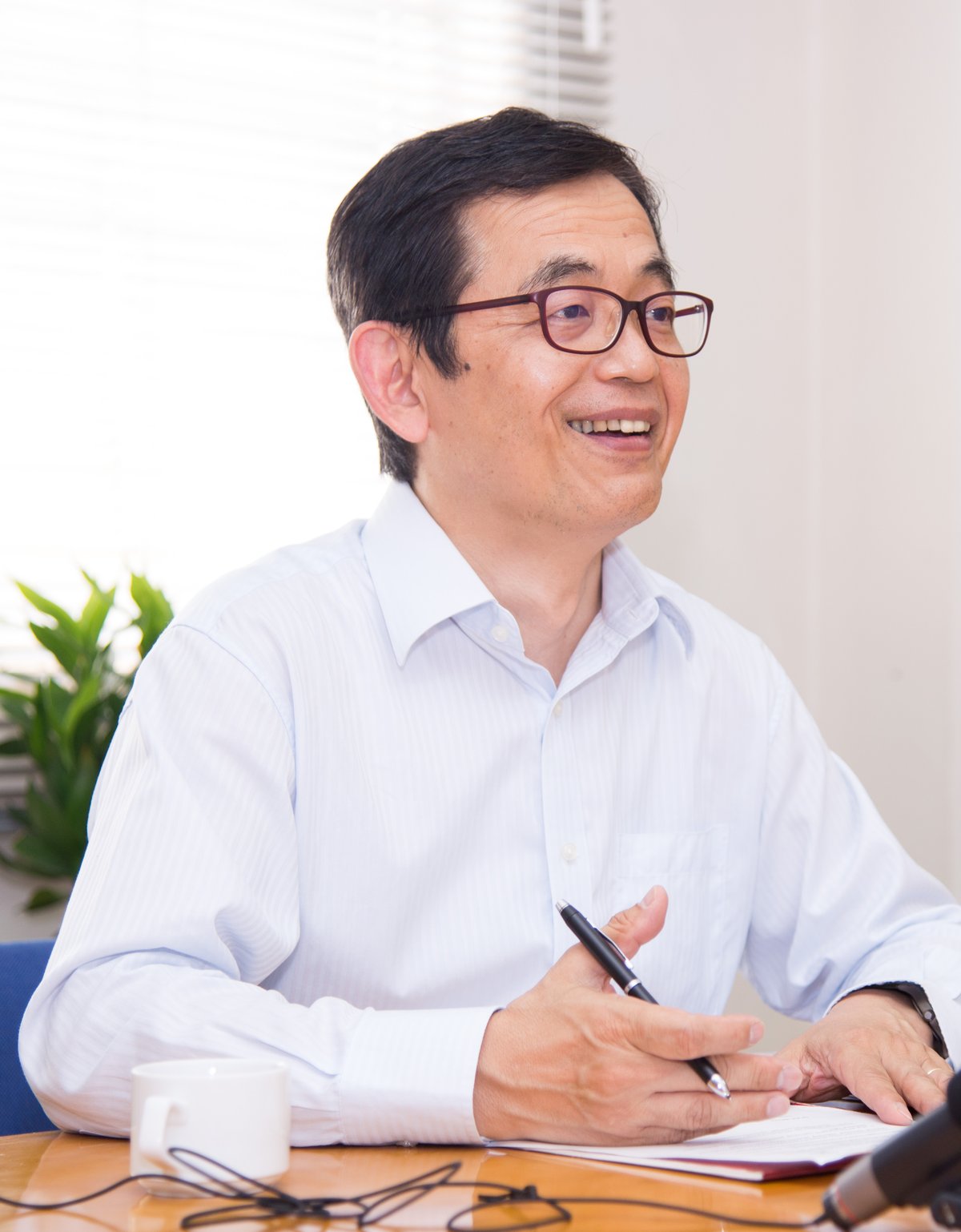
Meet Takashi Kawatani, 河谷隆司
35+ years helping professionals succeed in Japanese business culture, in partnership with Silkdrive on the EU↔Japan corridor.
Today
- President, Diversity Management Institute (1989 to present)
- Founder, Success Japan Initiative
- Host of 'Japan Spirit', English-language internet show
- Trains Fortune 500 clients, business associations, and government bodies across 20+ countries
Publications & Recognition
- Author of 13 books, incl. Winning Together at Japanese Companies (Beyond-Global, 2015) and titles published by Nikkei, PHP, and SANNO
- Creator of 10 e-learning products on Japanese business culture
- 13,000+ students enrolled across Udemy courses, 4.4★+ ratings
- Global HR Excellence Award, World HRD Congress 2011
Background
- Lecturer in international business, Sanno Institute of Management
- Special Advisor, Japan Overseas Enterprises Association
- Visiting researcher, ISIS Malaysia (Institute of Strategic and International Studies)
- Doctoral studies, Human and Organizational Development, Fielding Graduate University (USA)
Indicative pricing
Priced per group session, never per participant, so the per-person figure follows from the group size rather than being a rate. Sessions cap at ten because they are interactive; a larger team runs as more groups. Starting figures, excluding VAT, with travel and accommodation billed separately, and the final amount confirmed in writing after the intake call.
- €380 per person for the whole programme
- Typical engagement €11,400 to €19,000, three to five groups of ten
- Online, the format most programmes run in
- The sum of its sessions, with no separate minimum
- €350 per person
- Travel and accommodation separate
- €270 per person
- Travel and accommodation separate
- €190 per person
Frequently Asked Questions
Common questions from teams that already work with Japanese colleagues.
Equip Your Team for the Japanese Engagement
Tell us the team, the Japanese counterparts you are working with, and the friction you are seeing. We will come back with a programme proposal, named trainer, and a clear budget.
From our insights
Deeper reading on this topic from the Silkdrive team.