Japanese Cultural Awareness Training
Structured introduction to how Japanese business culture actually works. Designed to give a team a shared vocabulary and the ability to recognise the major patterns. Delivered by Takashi Kawatani (Diversity Management Institute, 35+ years) and Silkdrive (EU-Japan Centre expert).
Teams trained by Kawatani-sensei across 35+ years include








Silkdrive is the preferred European delivery partner of Diversity Management Institute (Tokyo). Takashi Kawatani-sensei leads the Japan-side curriculum and trains directly; Silkdrive scopes engagements, contributes European-side context, and runs delivery. Co-delivery in Europe began in 2023. More on the partnership →
Five modules built around how Japanese business actually works
Each module is a working framework, not a list of dos and don'ts. The goal is for participants to leave able to read Japanese counterpart behaviour correctly and act accordingly.
How Japanese organisations operate
Hierarchy, seniority (senpai-kohai), group orientation (wa), the role of the meeting (to confirm, not to decide), and why this looks slow on the front end but reliable on the back end.
How Japanese communication works
High-context, low-volume, asymmetric. Honne and tatemae. Silence as response. Indirect refusal. Why "that might be difficult" almost always means no.
How Japanese decisions actually happen
Nemawashi (informal pre-meeting consultation) and ringi (formal document circulation). What you can and cannot accelerate. Where the European sales motion goes wrong and what to do instead.
How Japanese relationships develop
Trust on a multi-year horizon, not a multi-quarter one. The role of dinners, off-sites, and informal time. Why the first six months feel like "nothing is happening" and why that is exactly what is supposed to happen.
The cultural concepts that explain the patterns
Nemawashi, ringi, honne, tatemae, wa, HoRenSo, senpai-kohai, BaMaWa. Each one is a working concept in Japanese business, not a museum artefact. The training covers what they mean and how they show up in your team's actual engagements.
Departments that commission cultural awareness training
Awareness training works best as a baseline cohort across multiple departments, with deeper specialist programmes layered on for the teams in active Japanese engagements.
Sales and account teams
Pre-meeting awareness for sales teams who run Japanese accounts. Sharper than a one-page country brief, lighter than a full programme. Half-day virtual is typical.
Customer success and support teams
Customer-facing teams who handle Japanese clients in writing. Covers communication patterns, escalation conventions, and how to recognise when a customer is signalling dissatisfaction without saying so.
Product and design teams
Product, design, and research teams working on Japan market features or customer research. Covers the cultural assumptions baked into European product defaults and what changes for a Japanese audience.
Leadership and management
Cultural foundation for leaders who oversee Japanese subsidiaries, partnerships, or accounts but are not in the day-to-day. Pairs naturally with executive coaching for senior leaders running specific Japanese relationships.
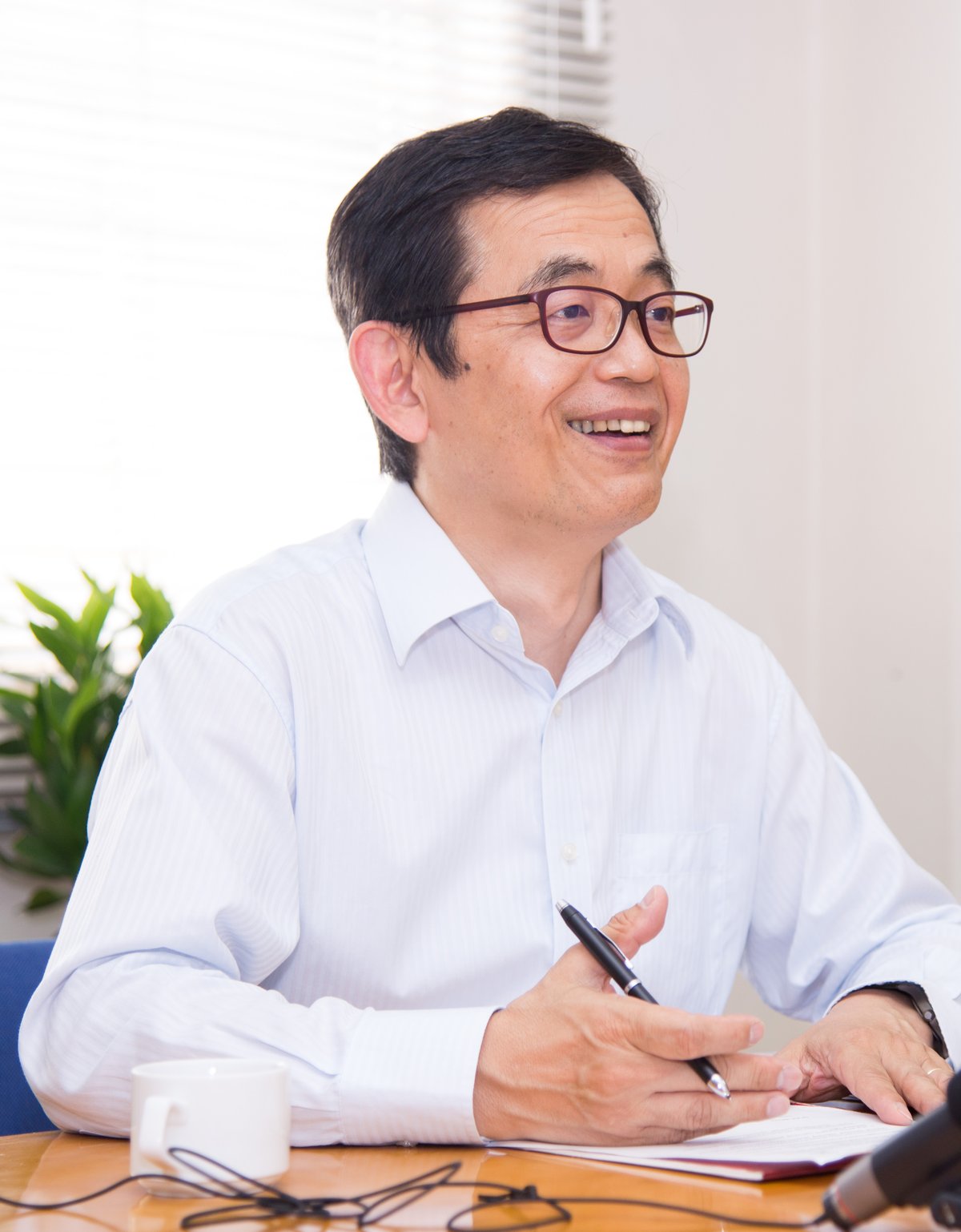
Meet Takashi Kawatani, 河谷隆司
35+ years helping professionals succeed in Japanese business culture, in partnership with Silkdrive on the EU↔Japan corridor.
Today
- President, Diversity Management Institute (1989 to present)
- Founder, Success Japan Initiative
- Host of 'Japan Spirit', English-language internet show
- Trains Fortune 500 clients, business associations, and government bodies across 20+ countries
Publications & Recognition
- Author of 13 books, incl. Winning Together at Japanese Companies (Beyond-Global, 2015) and titles published by Nikkei, PHP, and SANNO
- Creator of 10 e-learning products on Japanese business culture
- 13,000+ students enrolled across Udemy courses, 4.4★+ ratings
- Global HR Excellence Award, World HRD Congress 2011
Background
- Lecturer in international business, Sanno Institute of Management
- Special Advisor, Japan Overseas Enterprises Association
- Visiting researcher, ISIS Malaysia (Institute of Strategic and International Studies)
- Doctoral studies, Human and Organizational Development, Fielding Graduate University (USA)
Indicative pricing
Priced per group session, never per participant, so the per-person figure follows from the group size rather than being a rate. Sessions cap at ten because they are interactive; a larger team runs as more groups. Starting figures, excluding VAT, with travel and accommodation billed separately, and the final amount confirmed in writing after the intake call.
- €380 per person for the whole programme
- Typical engagement €11,400 to €19,000, three to five groups of ten
- Online, the format most programmes run in
- The sum of its sessions, with no separate minimum
- €350 per person
- Travel and accommodation separate
- €270 per person
- Travel and accommodation separate
- €190 per person
Frequently Asked Questions
Common questions about Japanese cultural awareness training.
Further Reading
- Cross-Cultural Training for Japan , full programme catalogue including negotiation, sales, executive coaching, DEI.
- Japan Intercultural Training , the methodology and competence-framework lander (Hofstede, Bennett DMIS, four-dimension model, optional formal assessment).
- Japan Business Etiquette Training , narrower etiquette focus for pre-trip preparation.
- Japanese Work Culture Explained
- Japanese Business Culture: A Working Guide
Get Your Team Onto the Same Page on Japan
Tell us the cohort, the departments involved, and the Japanese engagements at stake. We will come back with a programme proposal, named trainer, and a clear budget.
From our insights
Deeper reading on this topic from the Silkdrive team.